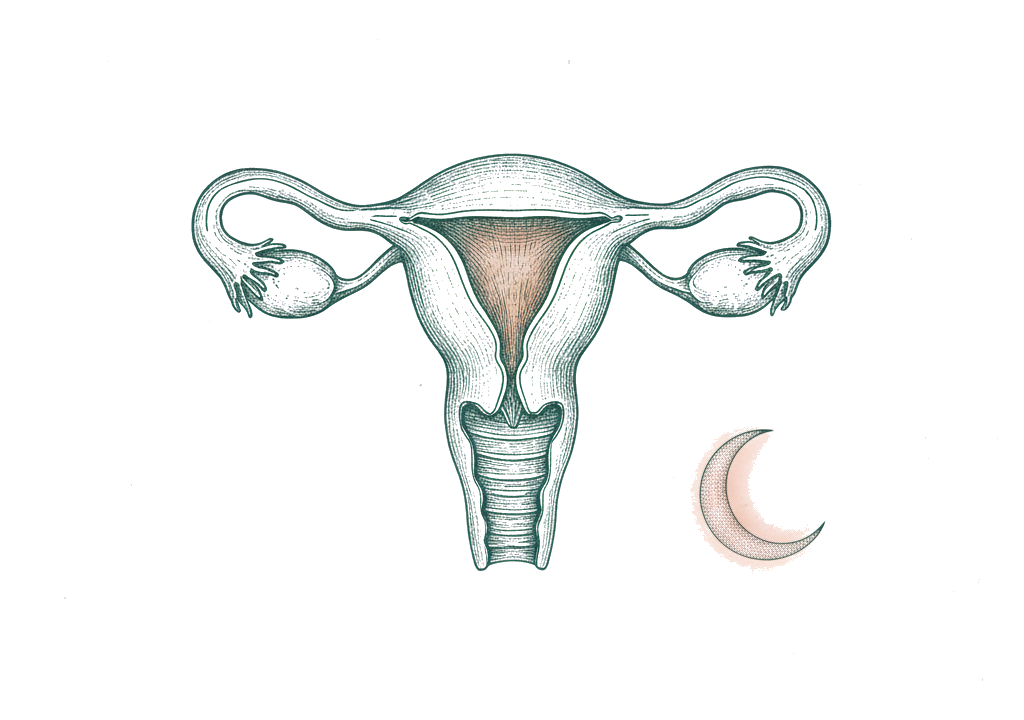
Menopause is surrounded by anxious myths, though it's a natural stage in a woman's life, not a disease. Hormonal changes do affect wellbeing: thermoregulation, sleep, metabolism, and mood all shift. But much of this responds to calm management once you understand what's happening.
What Happens During This Period
With age, the level of sex hormones gradually changes. Hence the characteristic manifestations: hot flashes, night sweats, lighter sleep, mood swings, a change in the distribution of body fat. This doesn't mean you must endure discomfort in silence — many manifestations can be eased.
Hot Flashes: How to Relieve Them
Hot flashes are one of the most noticeable manifestations. There's no universal recipe, but lifestyle has a tangible effect.
- Dressing in layers and cool air in the bedroom
- Attention to triggers: for some it's spicy food, alcohol, caffeine, stress
- Regular movement and working with your stress level
- A stable sleep schedule as support for the whole body
Sleep and Weight
Disturbed sleep in menopause is a common story, and it drags everything else along: mood, appetite, energy. That's why fixing sleep is not a luxury but a priority. As for weight, metabolism does change, and former habits may stop working. What helps here is not harsh restriction but enough protein, regular meals, and strength training that supports muscle.
Menopause is not a point after which "it's all too late." It's a stage at which self-care pays off especially well.
Leaning on Lifestyle
Movement, quality sleep, a varied diet, maintaining muscle mass, and attention to your emotional state — this is the base that works at any stage, but is especially valuable in menopause. These things sound simple, but it's exactly they that give the most lasting effect.
When to Discuss With a Doctor
If hot flashes, insomnia, or mood swings seriously reduce quality of life, that's a reason for a conversation with a gynecologist. There are different approaches to support, and a decision on any of them is made individually, taking your health history into account. You shouldn't prescribe hormonal remedies to yourself — that's the doctor's area of competence.
The main idea: menopause is neither a verdict nor a reason for panic. It's a transition that passes more calmly when we understand its nature and lean on self-care, and when needed, on a specialist's help.
Explore ProGastro for practical guidance on food, sleep, movement, and sustainable wellbeing routines.