Bile flow directly supports fat digestion, while bile acids also participate in metabolic and immune signaling. Disturbed bile handling can cause digestive symptoms and, in specific diseases, itching or jaundice; links with acne, thyroid symptoms or sex-hormone imbalance remain indirect and cannot be diagnosed from symptoms alone. Persistent pain, pale stool, dark urine or yellowing of the skin requires clinical assessment.
Key takeaways:
- Bile emulsifies dietary fat and supports absorption of fat-soluble vitamins.
- Itching with jaundice can indicate impaired bile drainage.
- Skin and hormone symptoms alone do not diagnose poor bile flow.
- “Bile detoxes” cannot remove a duct obstruction or gallstones.
What is bile flow?
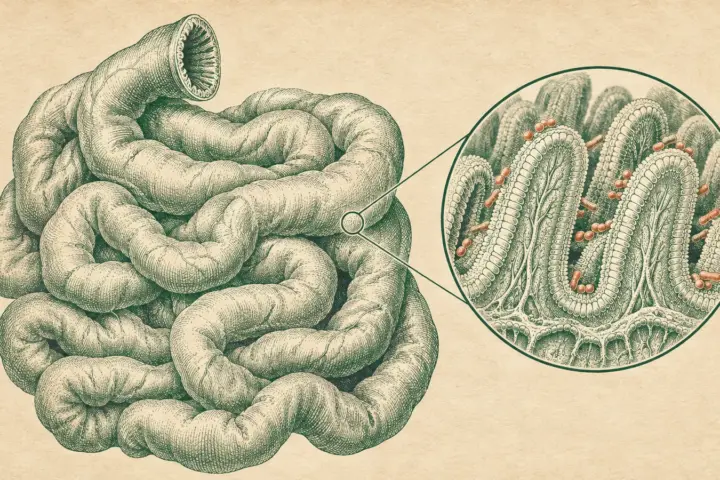
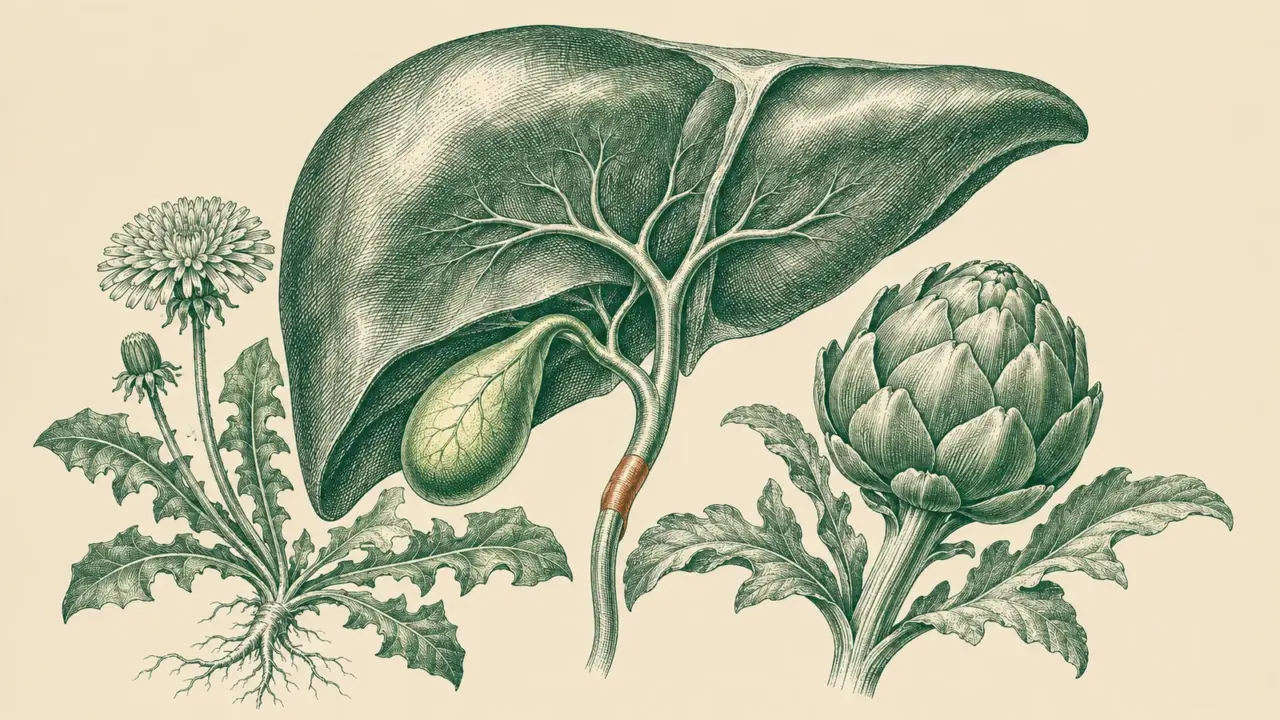
Bile flow is the movement of bile from the liver through the bile ducts into the small intestine. Bile is a digestive fluid containing bile acids, cholesterol, phospholipids, bilirubin, water and electrolytes; the gallbladder stores and concentrates it between meals.
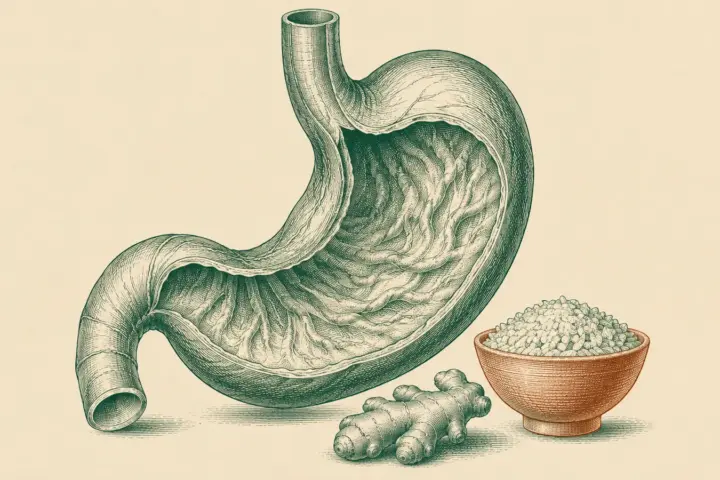
Food entering the small intestine signals the gallbladder to contract, especially when a meal contains fat. Bile acids then surround fat droplets, helping digestive enzymes work and forming structures that transport lipids toward the intestinal lining.
Bile acids are also signaling molecules. PubMed-indexed reviews describe their interaction with receptors such as farnesoid X receptor, or FXR, which participates in bile-acid production, glucose and lipid metabolism, and immune regulation. Signaling evidence does not mean that every hormonal or skin symptom originates in the gallbladder.
“Bile is both a digestive fluid and a signaling system, but symptoms still need a diagnosis rather than a detox label.” — Ksenia Glinkina, integrative nutritionist-naturopath
How does bile flow affect digestion?
Bile flow affects digestion by making dietary fats easier to absorb. Adequate bile delivery also supports the intestinal absorption of vitamins A, D, E and K, although low blood levels of these vitamins have many possible causes.
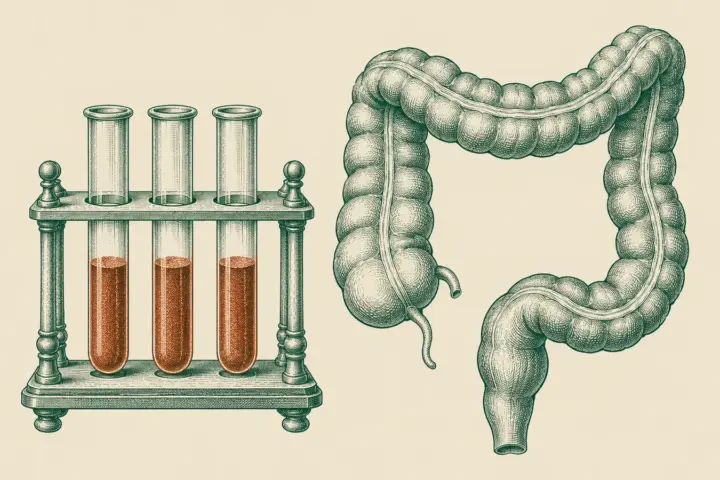
Too little bile reaching the intestine can occur with obstruction or severe liver and biliary disease. Excess bile acids reaching the colon can produce urgency and watery diarrhea; a PubMed-indexed systematic review identifies bile-acid malabsorption as a recognized cause of chronic diarrhea.
| Pattern | Possible bile-related explanation | Common alternatives | Appropriate next step |
|---|---|---|---|
| Upper-right abdominal pain after meals | Gallstone-related biliary pain | Reflux, ulcer, muscle pain | Clinical assessment |
| Watery urgency | Bile-acid diarrhea | Infection, IBS, medication effects | Discuss targeted testing |
| Pale or greasy stool | Reduced bile delivery or fat malabsorption | Pancreatic or intestinal disease | Prompt evaluation if persistent |
| Bloating after fatty foods | Possible impaired fat handling | Meal size, FODMAPs, functional dyspepsia | Track context; avoid self-diagnosis |
Can impaired bile flow affect the skin?
Impaired bile flow can directly affect the skin when cholestasis causes jaundice or generalized itching. Cholestasis is reduced formation or flow of bile, and it requires investigation because liver disease, duct obstruction, medication effects and other conditions can cause it.
The NHS lists yellow skin or eyes, itchy skin, dark urine and paler stool among possible signs of a blocked bile duct. These findings are more specific than acne, dry skin or isolated rashes, which commonly have dermatologic, allergic, hormonal or environmental causes.
Research on bile acids and inflammatory skin disease is developing. A 2025 PubMed-indexed review reports altered bile-acid profiles or receptor signaling in conditions such as psoriasis and atopic dermatitis, but much of the field remains mechanistic or associative. Bile-focused diets are not established treatments for those diseases.
- Reasonable inference: prolonged fat malabsorption may affect nutrients relevant to skin health.
- Unsupported shortcut: acne or eczema proves that the liver is “toxic” or bile is “sluggish.”
- Clinical priority: jaundice or intense unexplained itching deserves medical evaluation.
What is the connection between bile acids and hormones?
Bile acids influence metabolic signaling, but they are not interchangeable with sex or thyroid hormones. Bile acids activate receptors including FXR and help coordinate feedback between the intestine and liver after eating.
Bile acids and steroid hormones both originate from cholesterol through different biochemical pathways. The liver also metabolizes many hormones and prepares some compounds for excretion into bile, yet this does not prove that increasing bile flow will correct estrogen, testosterone, cortisol or thyroid disorders.
PubMed research describes crosstalk between bile-acid receptors, glucose regulation, lipid metabolism and immune activity. Clinical translation remains condition-specific, and many findings on steroid signaling come from cell or animal research rather than trials showing that lifestyle-driven “bile support” normalizes hormones.
Hormonal symptoms require their own differential diagnosis. Menstrual changes, erectile dysfunction, hair loss, temperature intolerance, unexplained weight change and persistent fatigue should be discussed with a qualified clinician rather than attributed to bile without evidence.
What can support digestion without a “bile detox”?
Regular meals, dietary fiber, gradual weight management and tolerable sources of unsaturated fat can support general digestive and cardiometabolic health. These habits do not dissolve a duct stone, reverse cholestasis or replace treatment for bile-acid diarrhea.
- Record patterns. Note pain location, stool appearance, urgency, itching, meals, medications and symptom duration.
- Build balanced meals. Include vegetables, whole grains or legumes as tolerated, protein and a moderate portion of unsaturated fat.
- Avoid rapid weight loss. The National Institute of Diabetes and Digestive and Kidney Diseases states that very rapid weight loss can raise gallstone risk.
- Use movement and sleep routines. Consistent activity and sleep support general metabolic health without claiming to “flush” bile.
- Request assessment when symptoms persist. A clinician may consider examination, blood tests, ultrasound or bile-acid diarrhea testing according to the presentation and local availability.
Common mistakes include eliminating all fat indefinitely, using harsh cleanses, treating skin symptoms as proof of liver disease and assuming normal-looking stool excludes biliary disease. Nutriflow’s ProGastro digestion education program can help adults organize food and habit questions, but it is not a diagnostic or medical service.
When to see a specialist
Seek qualified medical care when biliary symptoms are severe, persistent or accompanied by signs of obstruction or infection. A gastroenterologist, hepatologist or primary-care clinician can select appropriate tests; a dermatologist or endocrinologist may be more relevant when skin or hormonal symptoms dominate.
- Yellow skin or eyes, dark urine or unusually pale stool
- Severe or persistent upper-right abdominal pain
- Abdominal pain with fever, chills or repeated vomiting
- Generalized unexplained itching, especially with jaundice
- Persistent greasy stool, watery diarrhea or unintended weight loss
- Symptoms beginning after gallbladder surgery or a new medication
At a consultation, ask which diagnoses fit the complete symptom pattern, whether liver tests or imaging are appropriate, and whether diarrhea could reflect bile-acid malabsorption. Ask how medicines, pregnancy, prior intestinal surgery, rapid weight change and family history affect the assessment.
Explore ProGastro for practical digestion education and support in organizing your food and habit questions.
Frequently Asked Questions
Does poor bile flow always cause pale stool?
No, poor bile flow does not always cause pale stool, and occasional stool-color variation often reflects food or transit time. Persistently clay-colored or very pale stool can indicate reduced bile pigment reaching the intestine, particularly when accompanied by dark urine, jaundice, pain or itching, and should be assessed promptly.
Can bile problems cause acne?
Bile problems are not an established general cause of acne. Acne is influenced by sebum, follicular blockage, inflammation, microbes and hormonal signaling. Emerging research connects bile-acid signaling with immune and metabolic pathways in some skin diseases, but acne alone cannot identify impaired bile flow or justify a cleanse.
Can improving bile flow balance estrogen?
No food routine has been shown to “balance estrogen” simply by increasing bile flow. The liver and intestine participate in hormone metabolism, while bile acids have signaling functions of their own, but abnormal estrogen symptoms require evaluation of medications, reproductive status, endocrine conditions and other relevant causes.
Is bloating after fatty food a gallbladder symptom?
It can be, but bloating after fatty food is nonspecific. Meal size, reflux, functional dyspepsia, fermentable carbohydrates and other digestive conditions can produce a similar pattern. Recurrent upper-right abdominal pain, particularly with nausea, fever, jaundice or pale stool, warrants clinical assessment rather than dietary experimentation alone.
Can you live normally without a gallbladder?
Yes, most people can live normally without a gallbladder because the liver continues to produce bile, which flows directly into the small intestine. Some people develop temporary digestive changes or persistent diarrhea after surgery; ongoing symptoms should be reviewed because bile-acid diarrhea and unrelated conditions may need targeted management.
Should I avoid all dietary fat if I have gallstones?
No, complete long-term fat avoidance is not a universal gallstone recommendation and may make a balanced diet harder to maintain. Individual trigger foods and medical circumstances differ. A clinician or registered dietitian can help adjust meal size and fat type while the underlying gallstone symptoms receive appropriate assessment and treatment.
Author: Ksenia Glinkina — integrative nutritionist-naturopath, Bastyr University (USA), 15+ years of practice.
Ksenia Glinkina founded Nutriflow, an educational nutrition and wellbeing platform serving 55,000+ clients and students internationally.
Sources
- National Institute of Diabetes and Digestive and Kidney Diseases: gallstones and the biliary tract
- NHS: gallstone symptoms, complications and care
- PubMed: bile-acid signaling in metabolic and immune homeostasis
- PubMed: bile acids in immune-mediated skin diseases
- PubMed: bile-acid malabsorption and chronic diarrhea
This article is for information only and does not replace a consultation with a qualified clinician. If you have symptoms, see a specialist.