
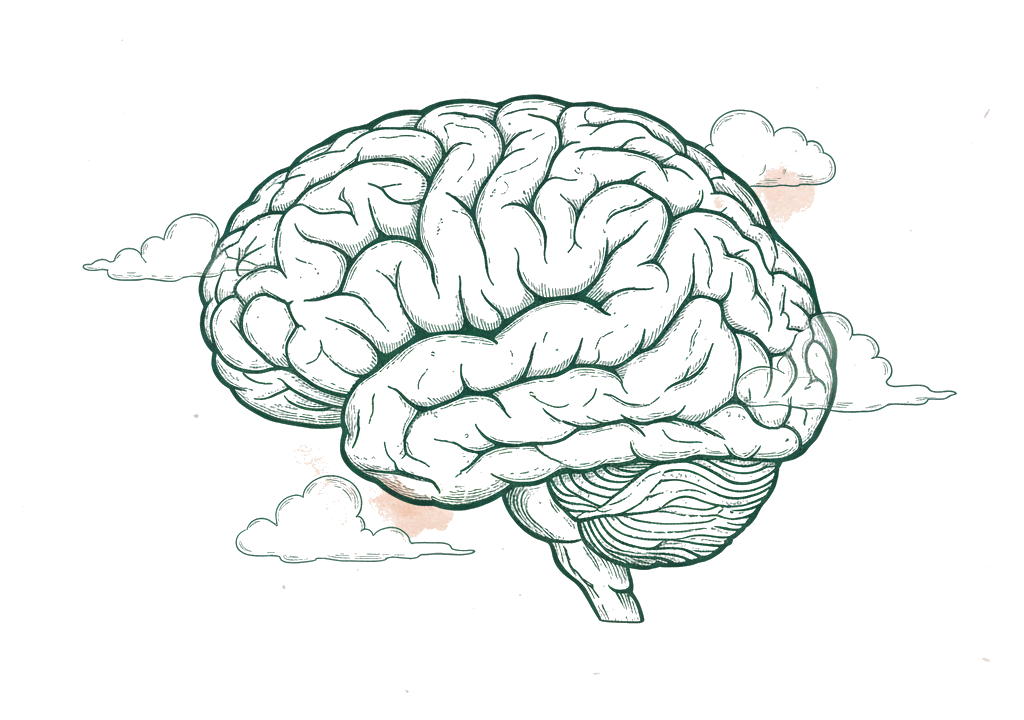
Many people describe it the same way: thoughts as if wrapped in cotton, hard to focus, words slipping away, memory failing on small things. "Brain fog" is not a medical diagnosis but a collective sensation. And behind it there are almost always quite understandable, correctable factors.
Where the Fog Comes From
The brain is sensitive to the state of the whole body. Lack of sleep, dehydration, blood sugar swings, chronic stress, hormonal fluctuations, and deficiencies — all of this affects mental clarity. Sometimes fog is a temporary response to overload, sometimes the accumulated effect of a lifestyle.
Common Causes Worth Checking
- Chronic sleep deprivation and an erratic sleep schedule
- Dehydration and irregular eating with sharp sugar swings
- Deficiencies affecting the nervous system, for example iron or vitamin B12
- Stress and constant multitasking without breaks
- Hormonal changes, including those related to the thyroid
How to Restore Clarity
It's more logical to start not by searching for rare causes but with the foundation. Sleep is the first thing to fix: it's at night that the brain recovers. Regular meals without long hungry gaps smooth out energy swings. Movement and time outdoors improve blood flow to the brain and lift mood.
Mental clarity isn't about willpower or coffee. It's about the basic conditions in which the brain finds it comfortable to work.
Small Habits With a Big Effect
Simple things help: removing the stream of notifications, doing one thing at a time, taking short breaks, drinking enough water through the day. Such trifles sound dull, but it's exactly they that restore concentration faster than any "brain stimulants."
When Fog Is a Reason to Get Checked
If clarity doesn't return even with sleep and routine in order, if the fog grows, is accompanied by severe fatigue, mood changes, or other symptoms, that's a reason to see a doctor. Sometimes anemia, thyroid problems, or the aftermath of past infections lie behind the sensation of fog — and it's important to rule them out or confirm them in person.
The good news is that clarity usually returns once we stop demanding that the brain work under a deficit of sleep, water, and rest. The body is responsive: give it the basic resources, and the fog most often lifts.
Want a structured plan instead of guesswork? ProGastro is built for exactly that.