Bloating after eating commonly results from swallowed air, intestinal fermentation, constipation, food intolerance, or increased gut sensitivity. Occasional symptoms without warning signs often improve with slower eating, smaller meals, movement, and one structured food change at a time. Persistent, worsening, painful, or otherwise concerning bloating needs assessment by a qualified clinician.
Key takeaways:
- Bloating is a sensation; distention is a visible increase in abdominal size.
- Common contributors include swallowed air, fermentation, constipation, intolerances, and gut–brain interaction disorders.
- Test one food-related change at a time and record meals, symptoms, and bowel habits.
- Persistent bloating with warning signs requires medical assessment.
What is bloating after eating?
Bloating is a feeling of abdominal fullness, pressure, or swelling. Abdominal distention is a measurable or visible increase in abdominal size; the National Institute of Diabetes and Digestive and Kidney Diseases reports that only about half of people who feel bloated also have distention.
Post-meal bloating does not always mean that the intestine contains an excessive amount of gas. Normal digestion can produce symptoms when gas moves slowly, stool accumulates, the abdominal wall responds differently, or the gut–brain system becomes more sensitive to stretching.
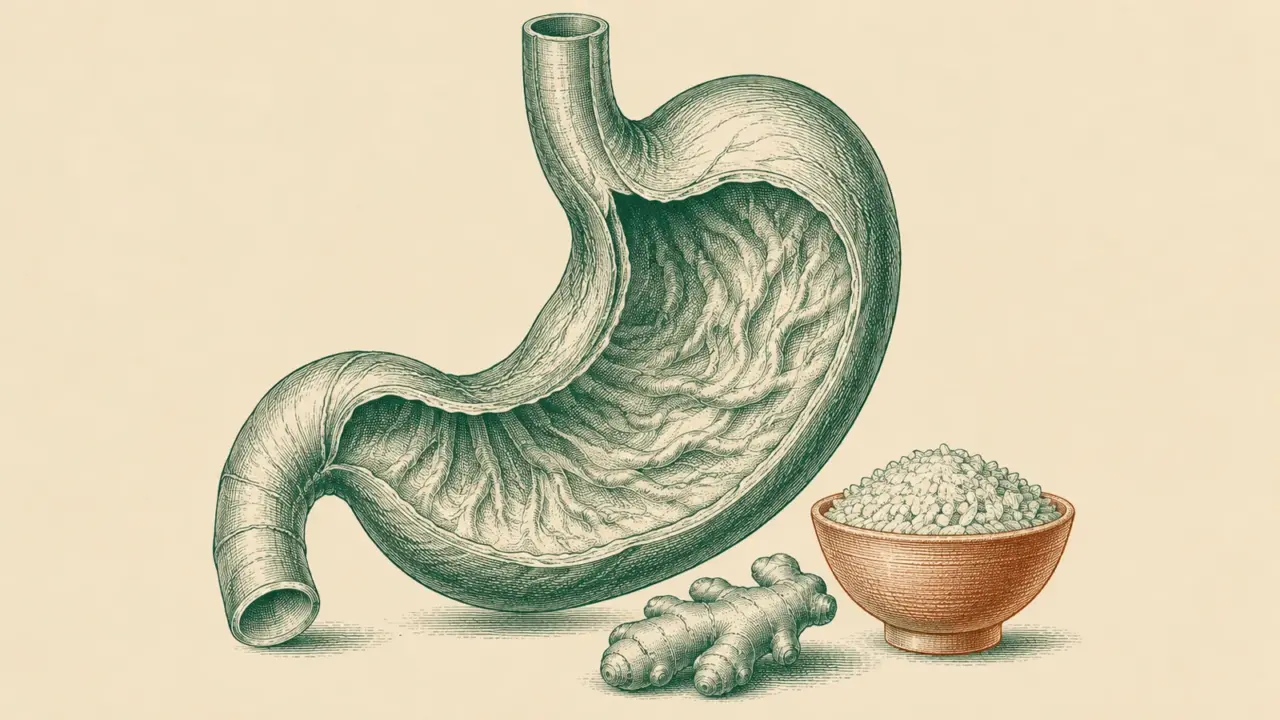
Timing provides useful clues but cannot establish a diagnosis. Symptoms beginning during a meal may relate to rapid eating, swallowed air, or impaired stomach accommodation, while symptoms developing later may reflect carbohydrate fermentation or constipation. A clinician should interpret the pattern alongside pain, bowel habits, medicines, medical history, and examination findings.
Why do I get bloated after eating?
Bloating after eating has several possible causes, and more than one can occur together. The most useful starting point is to identify the symptom pattern rather than blame the last food eaten.
- Swallowed air: Eating quickly, chewing gum, drinking through a straw, talking while chewing, and carbonated drinks can increase swallowed air.
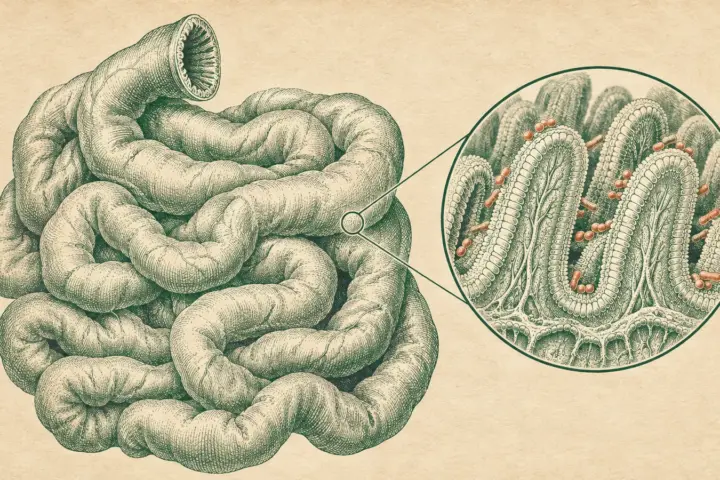
- Fermentation: Colon bacteria produce gas while breaking down carbohydrates that were not fully absorbed in the small intestine.
- Constipation: Retained stool can impair gas movement and increase abdominal pressure, even when bowel movements still occur.
- Food intolerance: Lactose or fructose malabsorption may cause gas, bloating, pain, or diarrhea. Food intolerance is not the same as a food allergy.
- Disorders of gut–brain interaction: Irritable bowel syndrome and functional dyspepsia can increase sensitivity to normal digestive activity.
- Other conditions: Celiac disease, delayed stomach emptying, pelvic-floor dysfunction, and, less commonly, intestinal obstruction can produce bloating.
Lactose intolerance is a digestive condition in which lactose malabsorption causes symptoms after lactose-containing foods. According to NIDDK, symptoms may begin within a few hours, but milk allergy is an immune reaction and requires different evaluation.
Which food patterns can contribute to bloating?
Food-related bloating depends on dose, preparation, meal size, bowel function, and individual tolerance. A food that causes symptoms for one person may be nutritious and well tolerated by another.
| Pattern or food | Possible mechanism | Low-risk first test | When self-testing is unsuitable |
|---|---|---|---|
| Large or high-fat meals | Slower stomach emptying or greater fullness | Use smaller portions and eat slowly | Early fullness, vomiting, or weight loss |
| Fizzy drinks or gum | More swallowed air | Choose still drinks; pause gum | Persistent symptoms despite change |
| Milk or soft dairy | Possible lactose malabsorption | Compare a lactose-free equivalent | Possible allergy or poor growth history |
| Beans, onions, or wheat-based foods | Fermentable carbohydrates | Adjust portion, preparation, or frequency | Suspected celiac disease before testing |
| Rapid fiber increase | More fermentation and stool volume | Increase gradually with adequate fluid | Pain, vomiting, or inability to pass gas |
A low-FODMAP diet is a temporary, structured reduction and reintroduction of fermentable carbohydrates used mainly for selected people with irritable bowel syndrome. The American Gastroenterological Association advises that restrictive dietary strategies should preferably be monitored by a gastroenterology dietitian.
Myth check: Bloating does not prove that gluten is the cause. Starting a gluten-free diet before celiac testing can make diagnostic results harder to interpret and may create unnecessary restriction.
How can I change food safely when bloating after eating?
Safe food changes should identify patterns while preserving dietary variety and adequate nourishment. Change one variable at a time unless a clinician recommends a supervised therapeutic diet.
- Record the baseline. Note meals, drinks, symptom timing, stool pattern, stress, sleep, and medicines without changing the diet immediately.
- Correct eating mechanics. Slow the meal, chew thoroughly, avoid gum and fizzy drinks, and stop before uncomfortable fullness.
- Choose one hypothesis. Test a defined change, such as a smaller evening meal or a lactose-free substitute, rather than removing several food groups.
- Keep other habits stable. Maintain regular meals, hydration, gentle movement, and the rest of the diet so the result remains interpretable.
- Review and reintroduce. If symptoms improve, reintroduce the suspected food when appropriate to test whether the pattern repeats. Stop self-testing and seek help if symptoms worsen.
Common mistakes include cutting gluten, dairy, legumes, fruit, and vegetables simultaneously; judging a food from one episode; and treating online intolerance tests as a diagnosis. Broad restriction can reduce fiber, calcium, and overall food variety without finding the actual cause.
Nutriflow’s ProGastro gut and digestion program provides educational nutrition and wellbeing guidance. Nutriflow is not a medical service, and the program does not replace diagnosis or treatment from a qualified clinician.
When should bloating after eating be assessed urgently?
Bloating needs prompt medical assessment when it is severe, persistent, newly worsening, or accompanied by warning signs. Food experimentation is not appropriate when symptoms could indicate bleeding, obstruction, infection, or another significant condition.
- Severe or sudden abdominal pain, especially with a swollen abdomen
- Vomiting blood, vomit resembling coffee grounds, or black stools
- Inability to pass stool or gas, particularly with pain or vomiting
- Severe breathing difficulty, fainting, confusion, or marked weakness
- Persistent vomiting, fever, dehydration, or a new abdominal lump
- Blood in the stool, unexplained weight loss, loss of appetite, or difficulty swallowing
- Regular bloating that persists despite reasonable food and habit changes
- New persistent bloating with pelvic symptoms or urinary changes
The NHS advises seeing a clinician when bloating occurs regularly, does not go away, or accompanies unintentional weight loss or blood in the stool. Emergency services differ by country; use the appropriate local urgent-care pathway.
How can a clinician or dietitian help?
A qualified clinician can distinguish a food-related pattern from constipation, celiac disease, irritable bowel syndrome, functional dyspepsia, medicine effects, or less common disease. A registered dietitian with gastrointestinal expertise can then structure food trials without unnecessary long-term restriction.
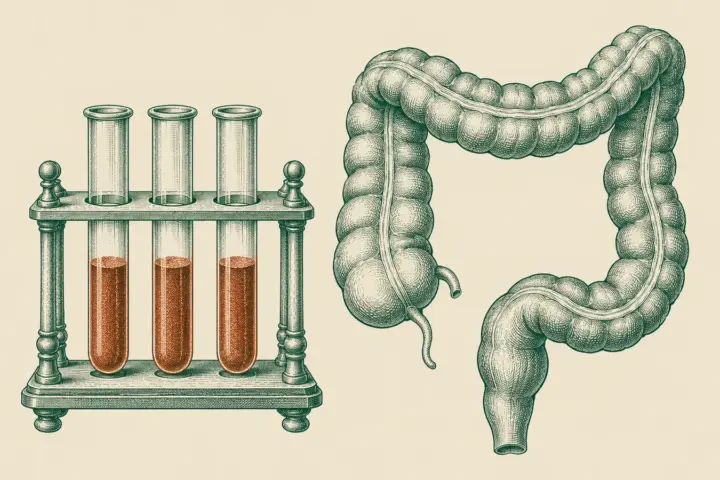
A clinical assessment commonly covers symptom onset, meal timing, stool frequency and form, medicines, menstrual or pelvic symptoms where relevant, prior surgery, family history, and warning signs. NIDDK notes that clinicians may use blood tests, stool tests, imaging, or condition-specific tests when the history and examination indicate a need.
Useful questions for an appointment include:
- Could constipation or a medicine be contributing even if I have regular bowel movements?
- Should celiac testing occur before I change gluten intake?
- Does my pattern justify lactose, fructose, or other breath testing?
- Would a registered dietitian-supervised elimination and reintroduction plan be appropriate?
- Which changes in symptoms should trigger urgent reassessment?
Routine testing for small intestinal bacterial overgrowth is not appropriate for everyone. The American Gastroenterological Association reserves breath testing for a smaller group of at-risk patients and does not recommend probiotics specifically to treat abdominal bloating and distention.
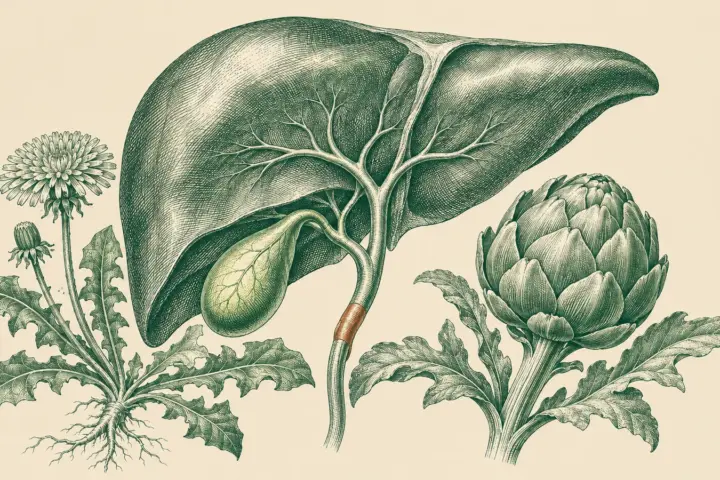
Further reading: if bloating keeps returning after ordinary meals, see our deep dive Bloating After Meals: 7 Causes Most People Never Check — stomach acid, bile flow and digestive pace explained step by step.
Explore the ProGastro program for educational guidance on gut-friendly food and wellbeing habits.
Frequently Asked Questions
Is bloating immediately after eating caused by gas?
Not always. Bloating that begins during or immediately after a meal may involve swallowed air, meal volume, stomach sensitivity, or difficulty accommodating food rather than newly produced intestinal gas. Fermentation generally occurs after carbohydrates reach gut bacteria. Repeated immediate fullness, vomiting, pain, or unintended weight loss should be assessed by a clinician.
Can constipation cause bloating if I have a bowel movement every day?
Yes. Daily bowel movements do not rule out constipation because stool may still be hard, difficult to pass, incomplete, or retained. A clinician will consider stool form, straining, incomplete evacuation, frequency, and medicine use. Increasing fiber rapidly may worsen bloating, so gradual changes and adequate fluid are more sensible unless a clinician advises otherwise.
Should I stop eating gluten when I feel bloated?
No, not before discussing persistent symptoms with a clinician. Bloating after wheat-containing foods may relate to celiac disease, fermentable carbohydrates, meal size, or another cause rather than gluten itself. Starting a gluten-free diet before celiac blood testing can reduce test accuracy. If restriction is appropriate, a dietitian can help preserve nutritional adequacy.
How long should I keep a food and symptom diary?
A short, structured record is usually more useful than indefinite tracking. Record enough typical weekdays and weekends to show meal timing, portions, symptoms, bowel habits, stress, sleep, and medicines, then review it with a clinician or dietitian. Stop tracking if it increases anxiety, encourages excessive restriction, or disrupts normal eating.
Does a low-FODMAP diet help everyone with bloating?
No. A low-FODMAP diet may help selected people, particularly some people with irritable bowel syndrome, but it is not a universal first step or a permanent diet. The approach requires restriction followed by systematic reintroduction and personalization. Professional guidance reduces the risk of nutritional gaps, avoidable fear of food, and unnecessarily limited variety.
Can stress cause bloating after meals?
Yes, stress can amplify bloating through gut–brain signaling, altered sensitivity, eating speed, and changes in digestive movement. Stress-related symptoms are real physical symptoms, but stress should not automatically be assumed to be the only cause. Persistent, changing, or concerning symptoms still warrant clinical assessment.
Author: Ksenia Glinkina — integrative nutritionist-naturopath, Bastyr University (USA), 15+ years of practice.
For structured education on food patterns and digestive habits, explore Nutriflow resources while continuing appropriate care with your qualified clinician.
Sources
This article is for information only and does not replace a consultation with a qualified clinician. If you have symptoms, see a specialist.