Unveiling the Hidden Triggers of Post-Meal Bloating
Bloating after meals, characterized by a feeling of fullness, tightness, or distension in the abdomen, affects a significant portion of the adult population. Surveys suggest that between 10% and 30% of adults experience regular bloating, with women reporting it more frequently than men. While common culprits like overeating or consuming gas-producing foods are often considered, many individuals continue to suffer because they overlook less obvious, yet critical, underlying factors. As an integrative nutritionist-naturopath with over 15 years of practice, I've observed that addressing these less-examined causes is key to finding lasting relief.
Understanding the root cause of your bloating is paramount for effective management. This article will explore seven such causes that are frequently missed, providing you with a deeper understanding of your digestive health and guiding you towards more targeted solutions. My aim is to empower you with knowledge, drawn from my experience at Bastyr University and working with 55,000+ clients, to navigate your digestive challenges more effectively.
1. Insufficient Stomach Acid (Hypochlorhydria)
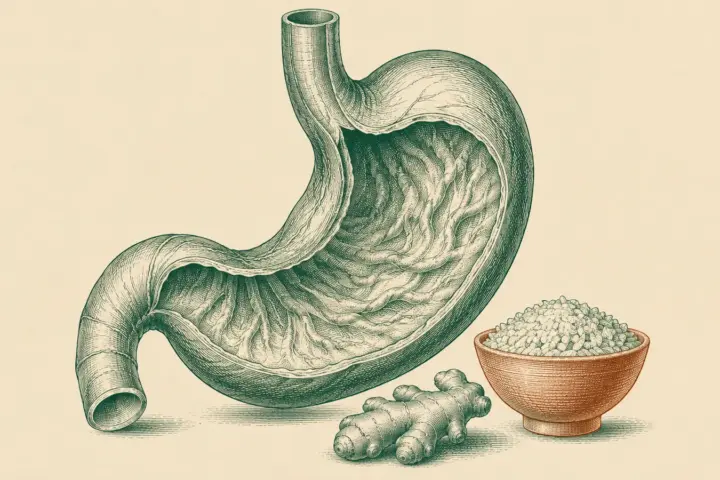
One of the most frequently overlooked causes of bloating after meals is insufficient stomach acid, or hypochlorhydria. Our stomachs produce hydrochloric acid (HCl) to break down food, particularly proteins, and to activate digestive enzymes. When HCl levels are low, food remains undigested for longer in the stomach, leading to fermentation by bacteria and the production of gas, which manifests as bloating and discomfort.
Many people mistakenly believe that heartburn and indigestion always signify excess stomach acid, leading them to use antacids which can further exacerbate hypochlorhydria. Symptoms like belching, indigestion, feeling full quickly, and undigested food in stool can all point to low stomach acid. Age is a significant factor here; HCl production naturally declines with age, with estimates suggesting that up to 50% of individuals over 60 may have reduced stomach acid. Chronic stress, certain medications, and H. pylori infection can also contribute to this issue.
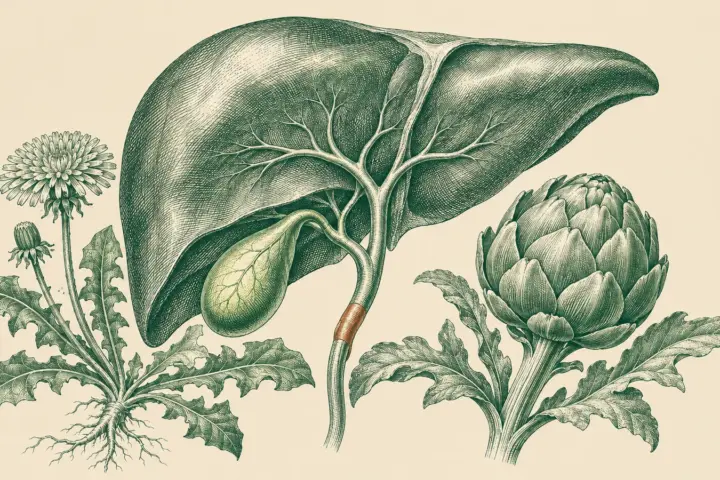
Addressing low stomach acid often involves strategies to support natural HCl production. This can include mindful eating practices, such as chewing food thoroughly and eating in a relaxed state, which signals the body to prepare for digestion. Incorporating digestive bitters or apple cider vinegar before meals may also be helpful for some individuals, though it's crucial to consult with a healthcare professional before implementing new supplements. Recognizing this often-missed cause is a foundational step in resolving persistent post-meal bloating.
2. Small Intestinal Bacterial Overgrowth (SIBO)
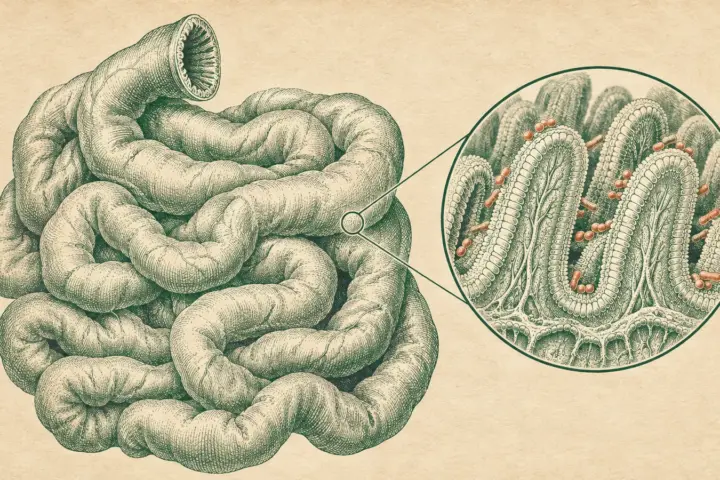
Small Intestinal Bacterial Overgrowth (SIBO) is another significant, yet often undiagnosed, cause of chronic bloating. SIBO occurs when there's an excessive amount of bacteria in the small intestine, an area that should typically have relatively low bacterial counts compared to the large intestine. These bacteria ferment carbohydrates that haven't been fully digested, producing gases like hydrogen and methane, which lead to significant bloating, abdominal pain, and altered bowel habits.
The symptoms of SIBO are often indistinguishable from other digestive disorders, making diagnosis challenging. Common indicators include generalized bloating, gas, diarrhea, constipation, or alternating bowel movements, often worsening after consuming certain carbohydrates (FODMAPs). Risk factors for SIBO include impaired gut motility (often due to nerve damage or chronic stress), structural abnormalities of the small intestine, and conditions that reduce stomach acid, such as proton pump inhibitor use. From my clinical experience, many clients who come to Nutriflow's ProGastro program with persistent bloating find that SIBO is an underlying factor.
Diagnosing SIBO typically involves a breath test that measures hydrogen and methane gases after consuming a sugar solution. Treatment strategies often involve targeted dietary modifications, such as a low-FODMAP diet, to reduce the fuel available for bacterial overgrowth, alongside antimicrobial approaches. It's a complex condition that requires a personalized approach, often guided by an integrative nutritionist or functional medicine practitioner.
3. Food Sensitivities and Intolerances (Beyond the Obvious)
While food allergies are immediate and often severe, food sensitivities and intolerances can cause delayed and less dramatic, but persistent, digestive symptoms like bloating. Many people are aware of common intolerances like lactose or gluten (celiac disease), but numerous other foods can trigger discomfort, often without an immediate allergic reaction.
Unlike allergies, which involve an immune response (IgE antibodies), food sensitivities often involve other immune pathways (e.g., IgG) or enzyme deficiencies. This means symptoms can appear hours or even days after consumption, making it difficult to pinpoint the culprit. Common culprits beyond lactose and gluten include:
- FODMAPs: Fermentable Oligosaccharides, Disaccharides, Monosaccharides, and Polyols. These are types of carbohydrates found in a wide range of foods, including certain fruits, vegetables, legumes, and sweeteners, that can be poorly absorbed and fermented by gut bacteria.
- Histamine: Found in aged cheeses, fermented foods, processed meats, and certain alcoholic beverages, histamine intolerance can lead to bloating, headaches, and skin issues.
- Salicylates: Natural chemicals found in many fruits, vegetables, herbs, and spices.
- Food Additives: Artificial sweeteners (e.g., sorbitol, xylitol), preservatives, and food colorings can disrupt gut flora and cause digestive distress in sensitive individuals.
Identifying these sensitivities often requires careful dietary tracking or an elimination diet under the guidance of a nutritionist. I always emphasize that while elimination diets can be powerful diagnostic tools, they should be well-structured and temporary to avoid nutritional deficiencies. For example, a structured elimination diet might involve removing common triggers for 2-4 weeks, then reintroducing them systematically to observe reactions. This meticulous approach helps to isolate specific triggers responsible for post-meal bloating.
4. Dysfunctional Chewing and Eating Habits
The way we eat is just as important as what we eat. Dysfunctional chewing and rushed eating habits are incredibly common, yet rarely considered as primary causes of bloating after meals. When food isn't adequately chewed, larger particles enter the stomach and small intestine, making it harder for digestive enzymes to break them down. This results in undigested food reaching the large intestine, where it becomes a feast for bacteria, leading to excessive gas production and bloating.
Moreover, eating too quickly often means swallowing more air. This aerophagia contributes directly to abdominal distension and discomfort. In today's fast-paced world, many individuals eat meals while distracted – working, driving, or scrolling on their phones. This 'mindless eating' prevents the body from entering a 'rest and digest' state, impairing the entire digestive process from the release of stomach acid to enzyme production.
Simple, yet profound, changes in eating habits can significantly alleviate bloating. Here are practical steps I recommend to my clients:
- Chew thoroughly: Aim for 20-30 chews per bite, until food is nearly liquid before swallowing.
- Eat slowly: Put your fork down between bites. Make meals a 20-30 minute affair.
- Eat mindfully: Focus on your food – its taste, texture, and smell. Avoid distractions like screens.
- Don't drink large amounts with meals: While hydration is key, excessive liquids during meals can dilute digestive enzymes. Sip water as needed.
These habits activate the parasympathetic nervous system, promoting optimal digestion and reducing the likelihood of gas and bloating. It's a foundational step that often brings surprising relief.
5. Chronic Stress and Nervous System Dysregulation
The gut-brain axis is a powerful two-way communication system, and chronic stress can profoundly impact digestive function, leading to bloating and other GI symptoms. When we are under stress, our bodies enter a 'fight or flight' state, prioritizing survival functions over digestion. This diverts blood flow away from the digestive tract, slows down gut motility, and reduces the production of digestive enzymes and stomach acid.
Prolonged activation of the sympathetic nervous system can also alter the gut microbiome, increasing the permeability of the intestinal lining (often referred to as 'leaky gut'), and heightening visceral sensitivity – meaning the gut becomes more reactive to normal sensations, perceiving them as pain or discomfort. This interplay between stress, the nervous system, and gut health is a critical, yet frequently underestimated, factor in chronic bloating.
Managing stress is therefore not just about mental well-being; it's a direct intervention for digestive health. Techniques that activate the parasympathetic 'rest and digest' system are invaluable:
- Deep diaphragmatic breathing: Practicing slow, deep breaths before and during meals can significantly calm the nervous system.
- Mindfulness and meditation: Regular practice can reduce overall stress levels and improve gut-brain communication.
- Yoga or gentle exercise: Physical activity can help dissipate stress hormones.
- Adequate sleep: Prioritizing 7-9 hours of quality sleep per night is crucial for nervous system regulation.
Recognizing the profound impact of stress on digestion is a game-changer for many of my clients seeking relief from persistent bloating and other digestive complaints. It's why stress management is an integral component of our programs, including ProGastro.
6. Impaired Motility and Constipation
While not always immediately apparent, impaired gut motility and chronic constipation are significant drivers of post-meal bloating. When the transit time of food through the digestive tract is slow, waste products and undigested food linger longer in the intestines. This provides more time for bacteria to ferment these substances, leading to increased gas production and abdominal distension.
Constipation, defined as having fewer than three bowel movements per week or difficulty passing stools, can exacerbate bloating by physically obstructing the passage of gas and fecal matter. The longer stool remains in the colon, the more water is absorbed, making it harder to pass and creating a vicious cycle of discomfort. Conditions like Irritable Bowel Syndrome (IBS) often involve motility disturbances, leading to both constipation and bloating.
Addressing impaired motility and constipation requires a multi-faceted approach. Here are key strategies:
| Strategy | Description | Impact on Bloating |
|---|---|---|
| Hydration | Drink adequate water (2-3 liters/day, 68-100 fl oz) to keep stool soft. | Prevents hard stools, facilitates smooth passage. |
| Fiber Intake | Gradually increase soluble and insoluble fiber from fruits, vegetables, whole grains, legumes. Aim for 25-30g/day. | Adds bulk to stool, promotes regularity. |
| Physical Activity | Regular movement (e.g., walking 30 min daily) stimulates intestinal contractions. | Enhances gut motility, reduces transit time. |
| Mindful Bowel Habits | Respond to urges promptly, establish a routine, use proper toilet posture (squatting). | Optimizes bowel evacuation, prevents stagnation. |
| Magnesium | Consider magnesium citrate (200-400mg at night) to relax muscles and draw water into the bowel. | Acts as a gentle osmotic laxative. |
It's important to note that while fiber is crucial, a sudden increase can temporarily worsen bloating for some, especially those with SIBO or FODMAP sensitivities. A gradual, individualized approach is always best.
7. Pelvic Floor Dysfunction
Pelvic floor dysfunction is an often-overlooked cause of chronic digestive symptoms, including bloating, especially in women, though it can affect men too. The pelvic floor muscles support the bladder, bowel, and uterus (in women) and play a critical role in bowel emptying. When these muscles are either too tight (hypertonic) or too weak (hypotonic), they can interfere with normal defecation and contribute to a feeling of incomplete evacuation, straining, and consequently, bloating.
For instance, if the pelvic floor muscles are hypertonic, they may not relax properly during a bowel movement, leading to functional constipation and the buildup of stool and gas. Conversely, weak pelvic floor muscles can contribute to rectal prolapse or difficulty sensing the urge to defecate. The symptoms can mimic other gastrointestinal issues, making diagnosis challenging without specialized evaluation.
Common signs of pelvic floor dysfunction include:
- Straining during bowel movements.
- Feeling of incomplete emptying after defecation.
- Frequent need to urinate or difficulty emptying the bladder.
- Pain during intercourse (in women).
- General pelvic pain.
Addressing pelvic floor dysfunction typically involves specialized physical therapy. A trained pelvic floor therapist can assess muscle function and provide exercises to strengthen or relax these muscles, along with biofeedback techniques. This often provides significant relief for individuals who haven't found answers through conventional digestive treatments. As an integrative nutritionist, I often refer clients to pelvic floor specialists when I suspect this underlying issue, as it's a critical piece of the puzzle for many.
Explore your digestive patterns with the ProGastro program and build clearer questions for a qualified clinician.
Frequently Asked Questions
How long does bloating after eating typically last?
The duration of bloating after eating can vary widely depending on the underlying cause. For common issues like overeating or consuming gas-producing foods, bloating might subside within a few hours, typically 2-4 hours, as digestion progresses. However, if bloating is due to more persistent issues like SIBO, food sensitivities, or impaired motility, it can last for several hours, a full day, or even longer, until the triggering food or digestive imbalance is resolved. Persistent bloating lasting more than 24 hours after meals warrants further investigation by a healthcare professional.
Can drinking water help with bloating?
Yes, adequate hydration is crucial and can often help alleviate bloating, particularly if it's related to constipation or dehydration. Water helps to keep the digestive tract moving efficiently and softens stool, making it easier to pass. However, it's important to sip water throughout the day rather than chugging large amounts during meals, as excessive liquid intake with food can dilute digestive enzymes and potentially worsen bloating for some individuals. Aim for 2-3 liters (68-100 fl oz) of water daily, spread out between meals.
Is it normal to feel bloated every day after eating?
No, experiencing bloating every day after eating is not considered normal and suggests an underlying issue that needs to be addressed. While occasional bloating can happen due to dietary choices, chronic daily bloating indicates a persistent digestive imbalance, such as low stomach acid, SIBO, food sensitivities, or impaired gut motility. If you experience daily post-meal bloating, it's highly recommended to consult with a healthcare professional, such as an integrative nutritionist or gastroenterologist, to identify the root cause and develop a personalized management plan.
What foods should I avoid if I frequently bloat?
If you frequently experience bloating, common culprits to consider reducing or temporarily avoiding include high-FODMAP foods (e.g., certain onions, garlic, beans, apples, artificial sweeteners), carbonated beverages, excessive amounts of cruciferous vegetables (like broccoli and cabbage) if not well-tolerated, and processed foods high in sugar and unhealthy fats. For some, dairy products containing lactose or gluten-containing grains might also be triggers. An elimination diet, guided by an expert, can help identify your specific food triggers more accurately. It's not about permanently restricting, but understanding your body's unique responses.
Sources
Author: Ksenia Glinkina — integrative nutritionist-naturopath, Bastyr University (USA), 15+ years of practice.
This article is for information only and does not replace a consultation with a qualified clinician. If you have symptoms, see a specialist.