Bloating after meals is one of the most common complaints, and it's usually blamed on "heavy food." But the same sensation can have different causes, and understanding the mechanism helps you choose a sensible approach instead of endless dietary restrictions.
Why the Belly Swells
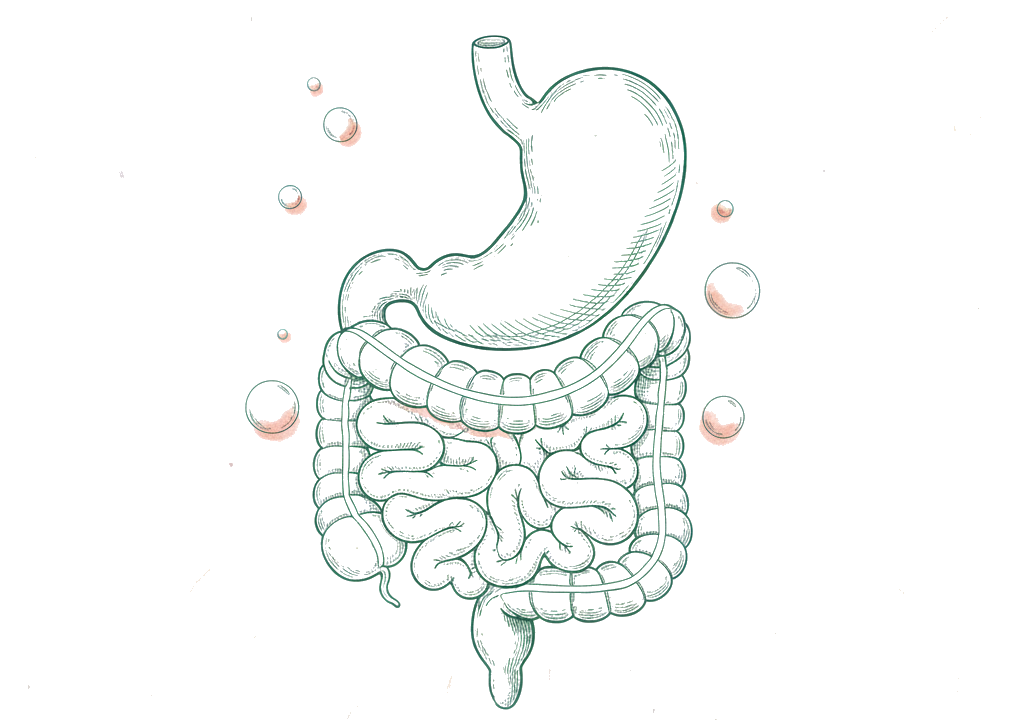
Bloating is most often an excess of gas or an altered sensitivity of the gut to the normal volume of its contents. Sometimes it's the speed at which we eat, sometimes the composition of the microbiota, sometimes a reaction to specific foods. Let's go through the main options.
Five Causes Worth Keeping in Mind
- Eating too fast and swallowing air — mundane, but a frequent story
- Poorly tolerated carbohydrates that ferment in the gut
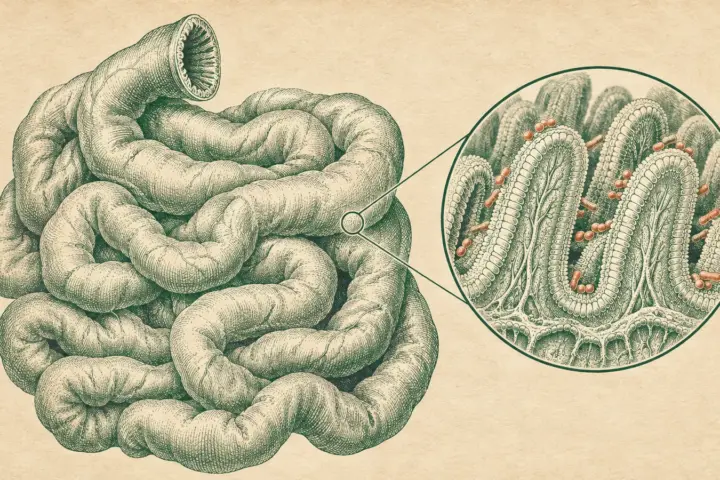
- A shift in microbiota balance after illness or irregular eating
- Individual sensitivity to certain foods, for example milk sugar
- A link with your emotional state — the gut is closely tied to the nervous system
What You Can Do Calmly and Without Extremes
The first step is not to cut everything out, but to observe. It often helps to slow down at the table, chew more thoroughly, eat smaller portions, and avoid gulping large volumes of liquid with your food. A regular eating pattern and enough fiber from varied sources support the microbiota.
Radical "just in case" diets tend to impoverish the diet more than they solve the problem. Precision is wiser than blanket bans.
When to Keep a Diary
If bloating recurs, a simple food diary over a couple of weeks helps reveal patterns: which dishes, what pace, what time of day. This gives your doctor far more information than a vague "I feel bloated after eating."
Red Flags That Call for a Doctor
There are situations where bloating is not an everyday matter but a symptom requiring a specialist's attention: unexplained weight loss, blood in the stool, persistent pain, night symptoms that wake you, fever, a sharp change in your usual bowel rhythm. In these cases, don't self-diagnose — this is a reason to see a gastroenterologist.
Otherwise, bloating is usually a manageable matter. A calm, observant approach and attention to the pace and composition of meals do more than fear of foods. The body rarely wants to harm you — more often it's simply asking you to eat more mindfully.
Explore ProGastro for a calm, educational approach to meal habits and digestive wellbeing.